Jul 07
AOXEN
Debunking common gambling myths What you need to know
The Gambler’s Fallacy Explained
The gambler’s fallacy is one of the most prevalent myths surrounding gambling. Many players believe that past outcomes can influence future results, especially in games of chance like roulette or slot machines. For instance, if a specific number hasn’t appeared in a while, some think it’s “due” to hit. This misconception can lead players to make illogical betting decisions, resulting in significant financial losses. By utilizing a reliable Hellcase code, players can unlock free rewards that may enhance their gameplay and overcome the negative effects of such fallacies.
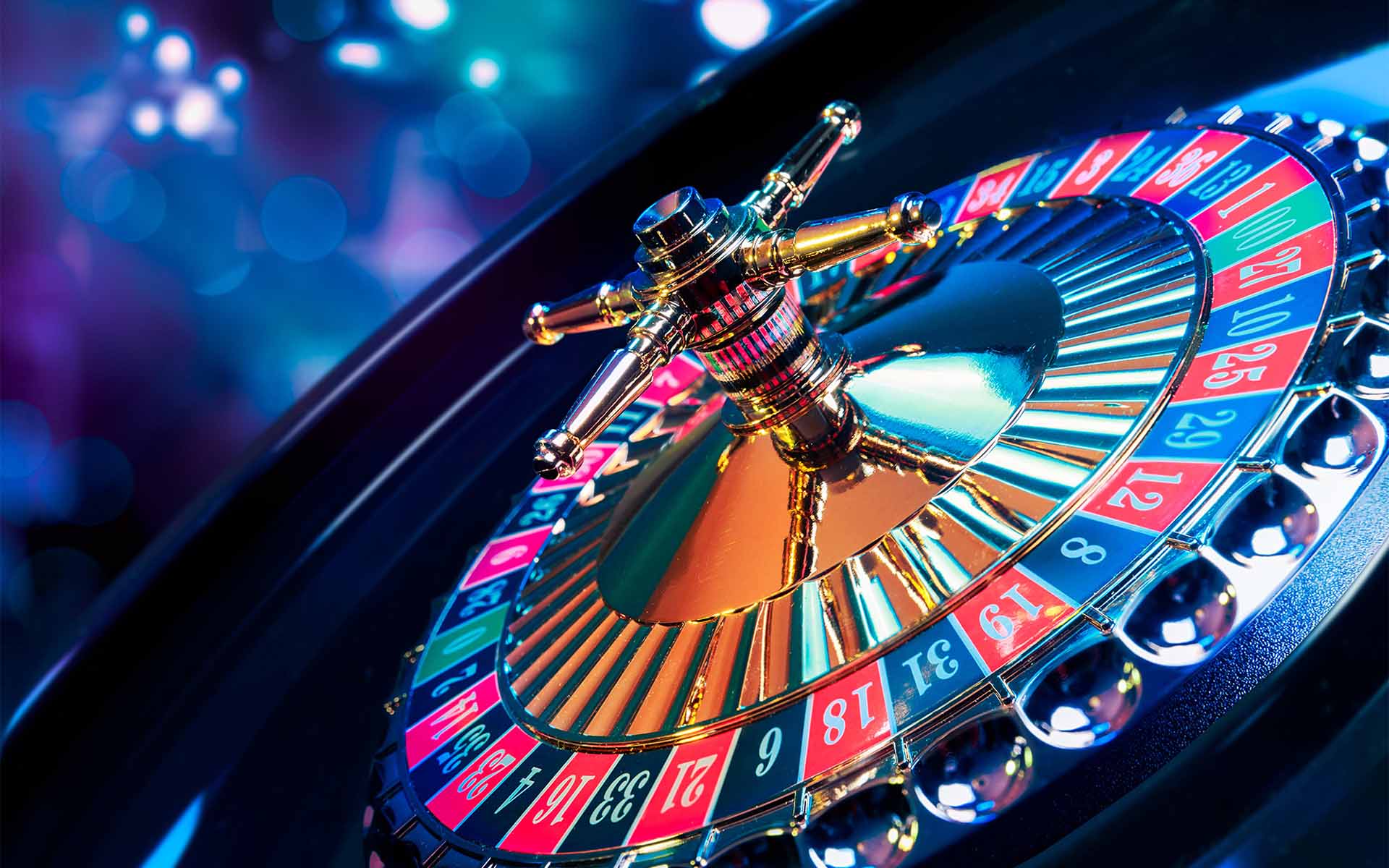
In reality, each spin of a wheel or pull of a lever is independent of previous outcomes. The odds remain constant, regardless of what has happened before. Understanding this principle is crucial for anyone looking to enjoy gambling responsibly. By recognizing that each event is random, players can make more informed decisions and reduce the emotional rollercoaster that often accompanies gambling.
Furthermore, the gambler’s fallacy can be exacerbated by cognitive biases that many people experience. These biases may lead gamblers to overestimate their understanding of odds and probabilities. The more someone believes in this myth, the more they may chase losses, ultimately leading to detrimental gambling habits. Awareness and education about these fallacies can promote healthier gaming practices.
Another common myth is the belief that some games have no house edge, giving players a fair chance to win. This misconception often leads individuals to underestimate the long-term implications of the house edge in casino games. In truth, every game, whether it’s poker, blackjack, or slots, is designed with a built-in advantage for the casino.
The house edge represents the average profit the casino expects to make from each game. This edge ensures that over time, the casino will always come out ahead, regardless of individual player experiences. For instance, in roulette, betting on a single number has a house edge of about 5.26%. This statistic signifies that, on average, players will lose more than they win, highlighting the importance of understanding these concepts for informed gambling.
Being aware of the house edge allows players to make strategic choices about which games to play. Some games, like blackjack, may offer better odds for skilled players, while others, like slots, tend to have higher edges. Ultimately, players need to acknowledge this fact to set realistic expectations and gamble responsibly.
A prevalent myth is that gambling is solely based on luck, dismissing the skill involved in many games. While luck plays a significant role in games of chance, skill can also greatly influence outcomes in games like poker, blackjack, and sports betting. Successful players develop strategies and refine their skills over time, giving them an edge over less experienced opponents.
For example, in poker, understanding probability, reading opponents, and making calculated decisions based on betting patterns can dramatically affect results. Many professional players invest countless hours studying the game, practicing various strategies, and analyzing past games. This highlights that while luck is a factor, skill can certainly improve a player’s chances of winning.
Recognizing the balance between skill and luck is essential for anyone looking to participate in gambling. Players should not solely rely on chance; instead, they should seek to enhance their skills to navigate their chosen games more effectively. In doing so, they can enjoy a richer and more engaging gambling experience while minimizing losses.
Many gamblers fall victim to the illusion of control, believing that their actions can significantly influence the outcomes of random games. This myth can lead players to engage in rituals or superstitions, such as wearing lucky clothing or performing specific actions before placing bets. While these behaviors may provide psychological comfort, they don’t alter the fundamental nature of chance-based games.
Research in psychology has shown that people often seek to find patterns in random sequences, leading to the false belief that their actions have an impact. Understanding that games like slot machines and roulette are designed to be random can help dispel this illusion. Recognizing that outcomes are purely chance-based is vital to promoting a responsible gambling mindset.
Ultimately, breaking free from the illusion of control enables players to enjoy gambling more fully and reduces the stress that comes with trying to manipulate outcomes. It encourages a focus on entertainment rather than attempting to change the unchangeable. By appreciating games for what they are—games of chance—players can maintain a healthier approach to gambling.
The Role of Information and Community in Responsible Gambling
To navigate the myths surrounding gambling, players can benefit significantly from reliable information and community support. Websites dedicated to gambling often offer resources that debunk prevalent myths and provide educational material about responsible gaming practices. Knowledge can empower players to make better decisions, setting realistic expectations and managing their gambling habits effectively.
Joining communities of fellow gamblers can also provide invaluable support. Sharing experiences, strategies, and resources can help individuals understand the complexities of gambling, from recognizing the odds to exploring various strategies. Engaging with a community fosters a healthy environment for discussion and allows members to learn from one another.
Ultimately, the goal is to create an informed gambling culture where players understand both the risks and rewards involved. Emphasizing education and community support can lead to a more responsible gambling landscape, helping individuals enjoy their experiences while minimizing potential pitfalls. Awareness of common myths is the first step toward responsible gambling, and seeking knowledge is a powerful tool in that journey.